Food Assistance

Federal and state food programs that put groceries on the table.

SNAP, WIC, CSFP, school meals, senior nutrition, and summer EBT — the programs that stack for a single household and how to apply for each.

  • SNAP (food stamps) monthly grocery benefits
  • WIC nutrition support for pregnancy & young kids
  • CSFP food boxes for seniors 60+
  • Free and reduced-price school meals
  • Summer EBT and summer meal sites for kids
  • Senior congregate and home-delivered meals
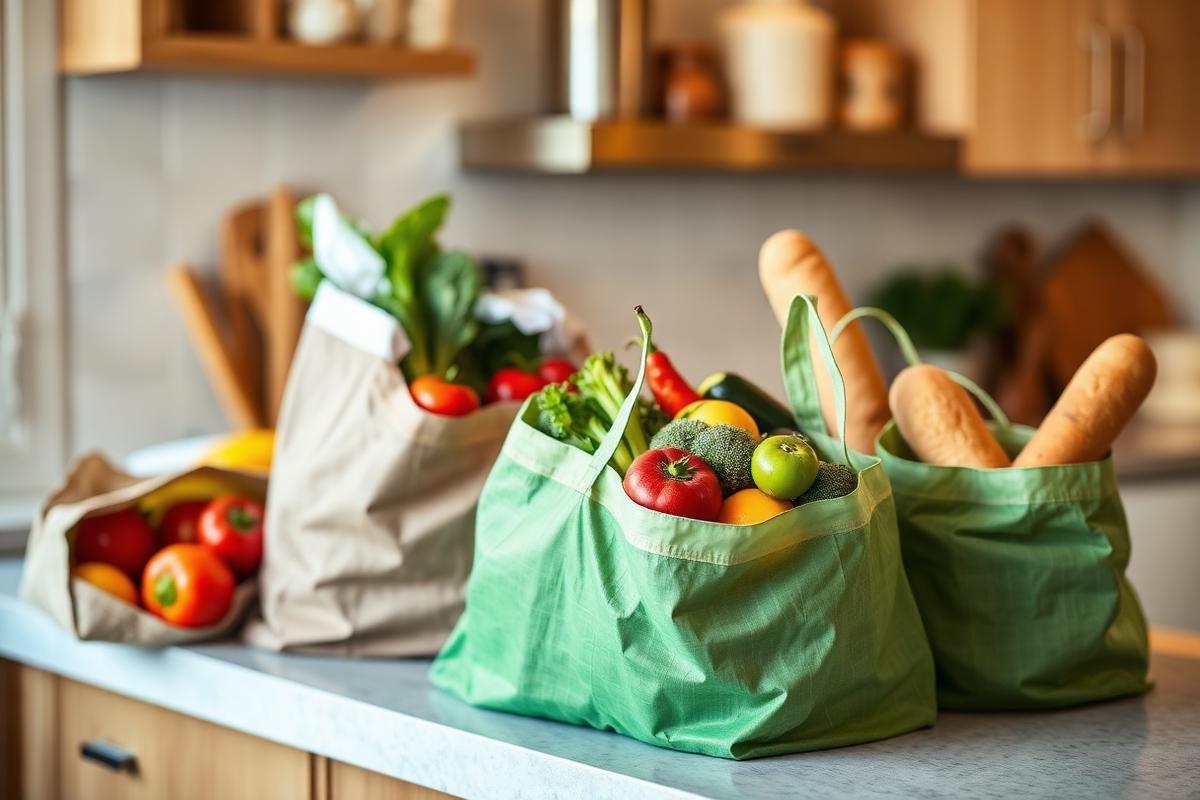
Fresh groceries in reusable bags on a kitchen counter

Find Your Assistance Programs

Get the latest program updates, savings tips, and offers delivered to you.

Key programs at a glance

The main programs in this category, who typically qualifies, and how to apply.

SNAP

Who: Households under 130% of the federal poverty level (varies by state).

How: Apply through your state's SNAP office online, in person, or by phone.

WIC

Who: Pregnant, postpartum, or breastfeeding women and kids under 5.

How: Apply at your local WIC clinic — usually run by the state or county health department.

CSFP

Who: Seniors 60+ with income under 130% FPL.

How: Apply through your state agency or local food bank distributor.

National School Lunch/Breakfast

Who: Kids in participating schools; free or reduced-price by income.

How: Fill out the school's meal application at the start of each school year.

Summer EBT / SUN Bucks

Who: Kids eligible for free/reduced school meals.

How: In most states, automatic if the child qualifies for school meals.

OAA Senior Nutrition (Meals on Wheels)

Who: Adults 60+, no income limit; donations suggested.

How: Contact your local Area Agency on Aging.

The full breakdown

How SNAP eligibility actually works in 2026

Income tests, deductions, and how much you can expect to receive.

SNAP (formerly food stamps) uses two income tests: gross income must generally be under 130% of the federal poverty level, and net income (after allowed deductions) must be under 100%. Households with a member who is 60+ or disabled only have to pass the net test.

Deductions matter: SNAP subtracts a standard deduction, 20% of earned income, dependent care costs, medical costs above $35 for elderly/disabled members, and excess shelter costs. These often qualify households that look ineligible on paper.

Maximum monthly benefits for federal fiscal year 2026 are around $292 for one person and $975 for a family of four in the 48 contiguous states — with higher amounts in Alaska and Hawaii.

WIC: the most underused program in America

Nutrition support pregnant women and families with young kids consistently leave on the table.

WIC provides specific healthy foods — fruit, vegetables, milk, eggs, whole grains, infant formula, and baby food — plus nutrition counseling and breastfeeding support. Eligibility runs up to 185% of the federal poverty level, so many working families qualify.

You don't have to be on SNAP or Medicaid to qualify, though being enrolled in either automatically meets the income test. Benefits load onto an eWIC card that works at most major grocery chains.

Feeding kids year-round: school meals + Summer EBT

The programs that cover breakfast, lunch, and summer without needing a new application.

The National School Lunch and School Breakfast Programs give kids free or reduced-price meals during the school year. Many high-poverty schools now use Community Eligibility Provision (CEP), which makes meals free for every student without individual applications.

Summer EBT (branded SUN Bucks in participating states) gives roughly $120 per child in grocery benefits over the summer — automatically for kids already enrolled in free/reduced-price meals in most states.

Frequently asked

Can I get SNAP and WIC at the same time?
Yes. They're designed to work together. SNAP covers general groceries; WIC covers specific nutrition foods for pregnancy, infants, and young children.
What counts as income for SNAP?
Wages, self-employment, Social Security, unemployment, and child support all count. Some things — like most housing subsidies and federal tax refunds — do not.
How long does SNAP take to start?
Standard processing is 30 days. Emergency (expedited) SNAP can start within 7 days for households with very little income or savings.
Can college students get SNAP?
Yes, if they meet an exemption — working 20+ hours a week, caring for a young child, receiving TANF, or being enrolled in certain workforce programs.

Ready to see what you qualify for?

Answer a few quick questions and we’ll match you with programs that fit.

Get Started